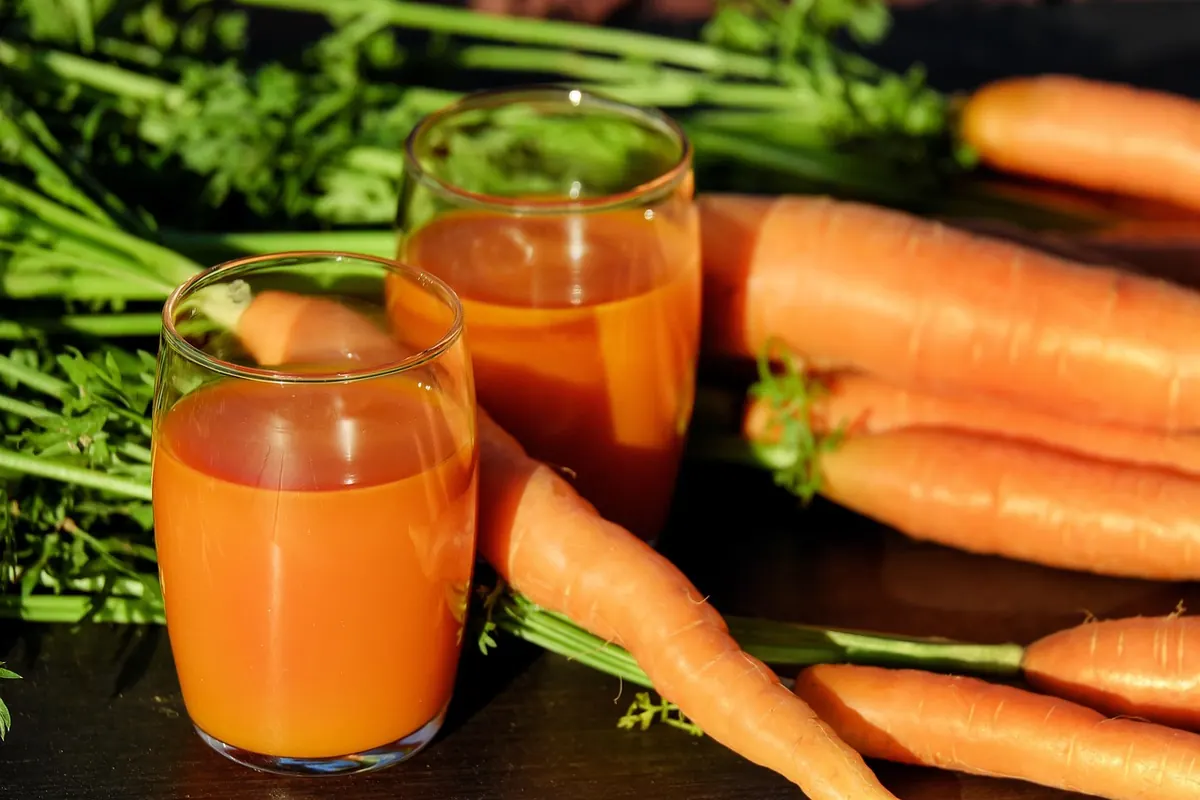
There is a particular satisfaction in walking to the end of the garden — or the edge of a balcony — with a colander, and coming back with dinner. Island growing asks a little more than the average allotment: wind that strips blossom, salt that scorches tender leaves, a spring that arrives late and leaves in a hurry. In return you get mild winters, long summer light and a season you can stretch into October if you plan for it. You do not need a field. A few pots, a raised bed and a stubborn streak will do.
Read the plot before you plant
Spend a week watching rather than digging. Note which direction the prevailing wind comes from, where spray reaches during a gale, and which wall holds the last of the evening sun. Those three facts will decide most of your planting.
For shelter, choose something permeable: netting, hazel hurdles, or a clipped hedge of escallonia or griselinia. A solid fence or wall simply pushes the wind over the top, and it lands with more force on whatever sits behind it. Even a row of lavender or rosemary will take the sting out of a gust.
Containers need weight or anchorage. Terracotta and glazed pots are heavier than plastic and less likely to take off across the patio, but any pot will benefit from being grouped with others and raised on feet so water drains freely. Check saucers after heavy rain; soggy roots kill more island plants than cold does.
Crops that earn their space
Fruit
Strawberries are the best-value fruit for a small space, and a trough of six plants will keep you in cream teas through June. Autumn-fruiting raspberries are forgiving and crop on this year's canes, so a hard winter does less damage. Blueberries need ericaceous compost and rainwater rather than tap, but they are worth it. If you have a warm south-facing wall, a fig or a fan-trained peach will thrive against it, and dwarf apples on a patio rootstock will fruit happily in a large pot for years.
Herbs
Rosemary, thyme, sage, oregano and winter savory all shrug off wind and salt, and they taste better for a bit of hardship. Keep mint in its own pot or it will colonise everything. Parsley, chives and coriander need a sheltered corner; basil is happiest on a kitchen windowsill.
Vegetables for tight corners
Forget what you cannot fit and grow what cuts repeatedly. These all work hard in a small space:
- Salad leaves — sow little and often, cut two inches above the base and they regrow.
- Chard and kale — pick outer leaves for months, and they stand through winter.
- Radish and spring onions — ready in weeks, perfect for filling gaps between slower crops.
- Broad beans and dwarf French beans — compact, productive, and they fix nitrogen in the soil.
- New potatoes — three seed potatoes in a 40-litre bag will give you a decent panful.
- Tomatoes and chillies — under cover, even a small polytunnel or a sunny porch.
A season at a glance
Spring
Sow hardy crops from March and use cloches cut from large plastic bottles to warm the soil and protect seedlings. Harden plants off gradually before planting out, and keep fleece to hand — a late frost in May is common on islands. Seaweed collected from the strandline makes an excellent mulch once rinsed of salt.
Summer
Water deeply and less often rather than little and often; roots follow the moisture down. Mulch to hold it in. Feed tomatoes weekly once the first truss sets, pinch out side shoots, and keep picking courgettes while they are small — leave one to marrow size and the plant slows down. Check pots daily in a heatwave.
Autumn
Sow winter salad under cover, plant garlic and overwintering onions, lift maincrop potatoes before the slugs find them, and save seed from your best beans and tomatoes. This is the month to empty spent compost onto beds and start thinking about next year's rotation.
Winter
Move pots against the house, wrap terracotta in bubble wrap and cut watering right back. Force rhubarb by covering a crown with a bucket to get pale, tender stems in early spring. Order seed, sharpen tools, and plan what you will grow where — a small plot lives or dies by rotation.
Cooking what you grow
The best dishes for home-grown produce are the shortest ones. Three that never fail:
New potatoes with mint and butter
Scrub, boil in salted water with a sprig of mint, drain, then toss with a knob of butter, a squeeze of lemon and a handful of chopped mint. If you grew them yourself, that is the whole recipe.
Rhubarb and ginger crumble
Chop stems into short lengths, toss with sugar, a little grated root ginger and a spoonful of cornflour. Rub butter, flour and sugar into crumbs, scatter over, and bake until golden and bubbling. Serve with custard.
Chard with garlic and lemon
Strip the leaves from the stalks, slice the stalks and soften them first in olive oil, then add garlic, the shredded leaves and a pinch of salt. Cook until just wilted, finish with lemon zest and a little grated nutmeg. The same method works for kale and young spinach.
Herbs deserve more than a garnish. Chop parsley, chives, tarragon and a little mint into soft butter, roll it in cling film and freeze in slices for steaks, fish and new potatoes. Or blend herbs with capers, anchovy, garlic, lemon and olive oil for a salsa verde that lifts a plain piece of grilled fish.
Making the glut last
A good week in August can overwhelm a small kitchen, so deal with it the day you pick. Freeze soft fruit on trays before bagging so it does not clump. Chop herbs into ice cube trays and top with oil for instant cooking portions. Dry thyme, sage and oregano in a paper bag in a warm, airy room. Rhubarb freezes beautifully in chunks, and tomatoes cooked down into a plain sauce will see you through to spring. Nasturtium seeds, picked green and pickled in vinegar, make a fair stand-in for capers.
If you forage the coast for sea beet, samphire or wild garlic, take only a little from abundant spots, avoid roadsides and anywhere that looks polluted, and be certain of your identification before it reaches the pan. Wash everything well, and if you are unsure about a plant, leave it. Anyone with a health condition or on medication should check with a pharmacist or GP before trying unfamiliar foraged foods.
Start small this weekend
Choose one sunny spot and one thing to grow in it. Fill a pot with good compost, sow a packet of cut-and-come-again salad or plant a single strawberry, and put it where you will see it every day. Water it, watch it, and eat the first leaf that is ready. Next season, add a herb pot; the one after that, a second bed. Island plots reward attention far more than size, and the short walk from soil to saucepan is the whole point.
Photo: Couleur / Pixabay