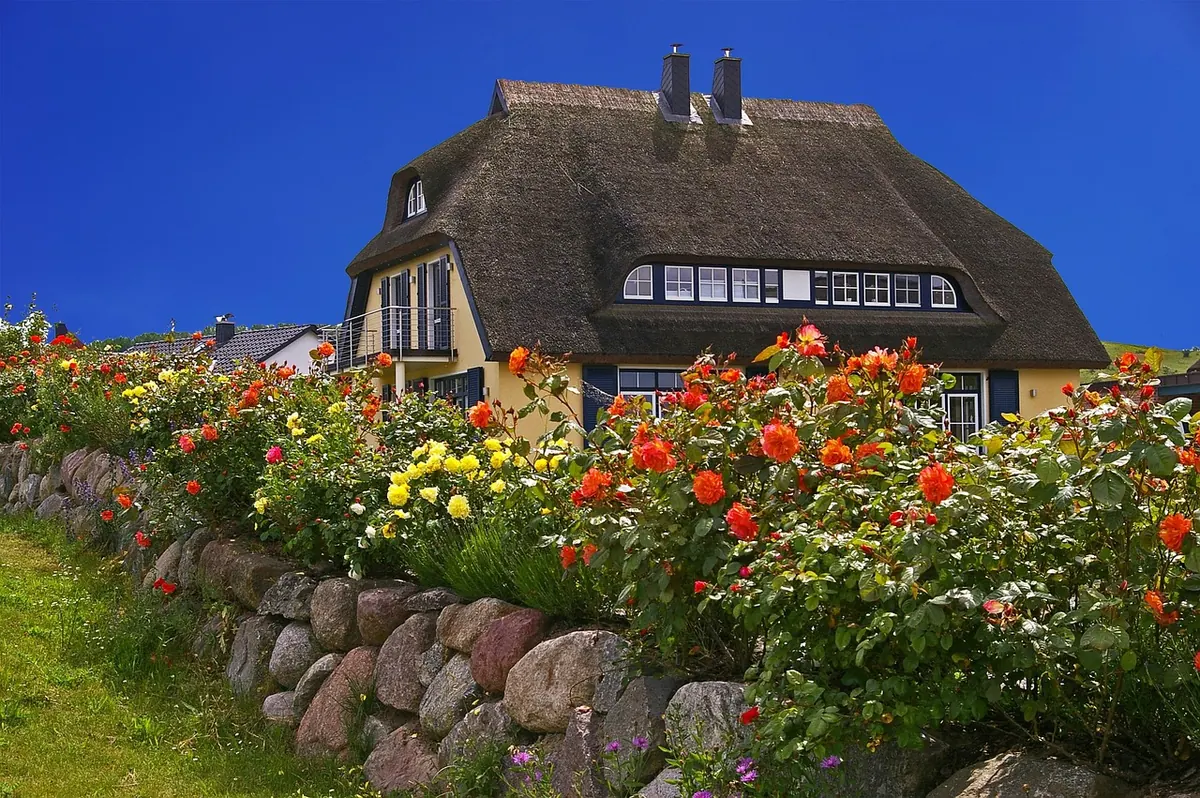
A plot within sight of the sea is a gift, but it rarely behaves like the gardens in books. Wind arrives with grit and salt in it, soil can be thin, sandy or sour, and an October gale can undo a summer's work in an afternoon. None of that means you cannot grow well here. It means you work with the weather instead of against it.
Here is a plan for your first year, in the order that actually matters: shelter first, soil second, plants third, and steady care throughout.
Start With the Wind, Not the Plants
Exposure is the single biggest difference between an island plot and an inland one. Salt carried on the wind burns leaf edges, scorches new growth and stunts anything tender. So walk your plot in bad weather, not just good weather. Note which direction the gales come from, where the grass lies flat, and which corner collects everyone else's rubbish.
Then build shelter before you plant. A solid fence looks neat but creates damaging turbulence behind it. A permeable barrier — a slatted fence, a hazel hurdle, or a mixed native hedge such as hawthorn, blackthorn or holly — filters the wind and is far kinder to plants. As a rough guide, a hedge shelters about ten times its height downwind, with the calmest belt a few metres behind it. If you need something quick while a hedge establishes, woven willow or windbreak netting will do for a season or two. Leave a gap of at least a metre between the hedge and your beds so roots and rain shadow do not cause trouble.
Getting the Soil Right
Coastal soils vary enormously: sand that drains before you finish watering, heavy clay, stony stuff over rock, or peaty ground that holds water all winter. Find out which one you have before buying anything.
- Test the drainage. Dig a hole about 30cm deep, fill it with water and see how long it takes to empty. A few hours means free-draining; a day or more means raised beds or added grit.
- Test the texture. Squeeze a handful of damp soil. If it feels gritty and falls apart, you have sand. If it is slippery and holds a ribbon, you have clay.
- Check the pH. A cheap test kit earns its keep. Most vegetables sit happily between 6.0 and 7.0. Very acid island soils often need a little lime; alkaline ground suits brassicas, lavender and rosemary.
- Add organic matter. Compost, well-rotted manure or leafmould, spread in autumn and left for the worms, improves sand and clay alike.
Washed-up seaweed is a traditional coastal mulch, though check local bylaws before collecting and rinse it if you are using it fresh. Raised beds are the simplest answer on thin or salty ground: you control the soil, and you lift the whole thing above the worst of the spray.
Your First Year, Month by Month
January to February
Order seeds, sharpen tools and plant bare-root hedging while it is still dormant. Dig in compost on any day the ground is not frozen or waterlogged.
March to April
Sow hardy crops outside once the soil begins to warm: broad beans, chard, beetroot, carrots, spring onions, and early potatoes in bags. Start tomatoes and courgettes indoors. Mulch beds to hold moisture.
May to June
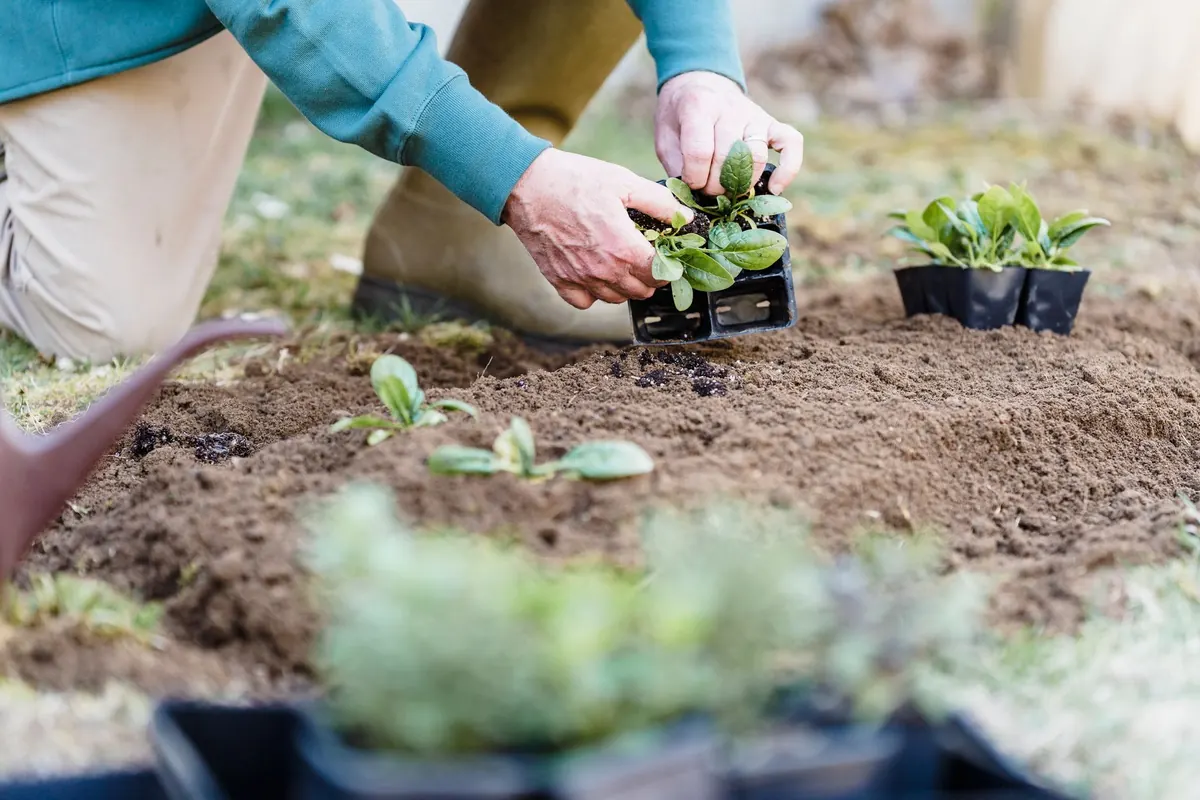
Harden off indoor-raised plants gradually over a week or so, then plant out once the last frost risk has passed. Water new plants thoroughly for their first month. Stake tall crops early — coastal wind finds them quickly.
July to August
Harvest regularly to keep plants producing. Water in the early morning so leaves dry before evening. Deadhead flowers, and check ties and stakes after every windy spell.
September to October
Clear tired crops, sow green manure on empty beds, and plant garlic and spring bulbs. This is also the moment to start mulching and to order bare-root hedging for winter.
November to December
Firm in anything loose, protect pots from waterlogging and hard frost, and tidy up. Then plan next year's rotation with a notebook and a mug of tea.
Plants That Shrug Off Salt
Choose tough, leathery or hairy leaves where you can, and use planting as part of your shelter rather than relying on one barricade. Reliable performers on an exposed plot include:
- Shrubs for shelter: escallonia, olearia, tamarisk, sea buckthorn, gorse and mixed native hedging.
- Perennials for colour: sea thrift, sea lavender, eryngium, sedum, hebe, lavender, rosemary and ornamental grasses.
- Edibles that cope: kale, chard, broad beans, beetroot, carrots, chives, thyme and sage.
- In pots: blueberries in ericaceous compost, herbs, and salad leaves against a warm, sheltered wall.
Silver and grey foliage usually has an advantage in salt and wind. Big, soft leaves will need the most protected spot you have.
Watering, Feeding and Salt Care
Wind dries plants faster than sun does, so water deeply and less often rather than little and often. A rainwater butt or two saves money and gives you softer water, and a mulch of compost or gravel slows evaporation.
Feed lightly. Too much nitrogen encourages soft, sappy growth that salt and wind shred. A seaweed-based liquid feed every few weeks through summer is usually plenty for vegetables and hungry flowers.
After a strong gale, rinse salt off the leaves of sheltered plants with a watering can and cut back snapped stems cleanly. Do not panic-tidy everything at once — some shrubs recover from buds you cannot see yet.
Keep Notes and Be Patient
Write down what you planted, where it went and what survived. A coastal garden teaches its own lessons, and you will not remember them all next spring.
Expect losses in your first year and treat them as information rather than failure. Build your shelter, feed your soil, plant tough things, and by this time next year the plot will already be calmer, richer and far more generous than it looks today.
Photo: Greta Hoffman / Pexels